



Creating a stunning garden isn’t just about throwing some seeds in the ground and hoping for the best. It’s an art form that combines creativity, planning, and a sprinkle of patience. With the right garden design plans, anyone can transform a dull patch of dirt into a vibrant oasis that even the neighborhood squirrels will envy.
Imagine sipping your morning coffee surrounded by colorful blooms and the sweet scent of fresh herbs. Sounds dreamy, right? Whether you’re a seasoned horticulturist or a newbie with a brown thumb, effective garden design plans can help you cultivate the garden of your dreams. Let’s dig in and explore how to turn that vision into reality, one flower bed at a time.
Garden Design Plans
Creating a garden design plan provides a structured approach to achieving a beautiful outdoor space. Effective designs consider aesthetics, functionality, and sustainability.
Importance of Planning
Planning plays a crucial role in successful garden design. It saves time and resources, allowing for thoughtful decisions about plant selection and layout. A well-planned garden reduces the likelihood of costly mistakes, such as overcrowding plants or choosing incompatible species. Additionally, planning helps visualize the garden in various seasons, ensuring it remains attractive year-round. Engaging in the design process can inspire creativity and innovation, resulting in a unique garden that reflects personal style.
Key Elements of Garden Design
Several key elements contribute to effective garden design. First, understanding the site conditions, such as sunlight, soil type, and drainage, affects plant selection. Second, creating functional spaces, such as seating areas or pathways, enhances usability. Incorporating plant variety fosters biodiversity while adding color and texture. Third, sustainable practices, like using native plants and maximizing water efficiency, promote ecological health. Finally, considering maintenance helps ensure the garden thrives, optimizing enjoyment while minimizing effort.
Types of Garden Design Plans
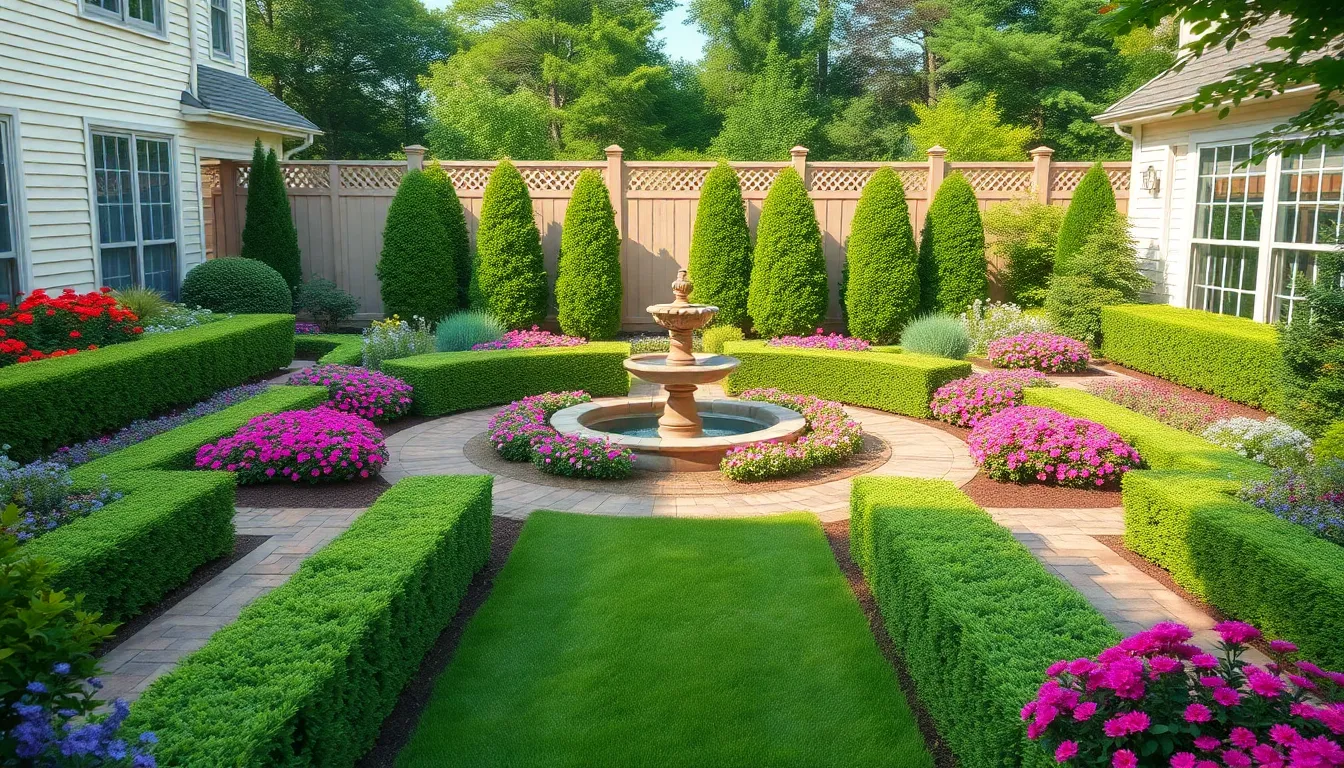
Garden design plans encompass various styles and approaches. Each type caters to specific preferences and environmental conditions, enhancing the overall aesthetic and functionality of outdoor spaces.
Formal Garden Design
Formal garden design features structured layouts and geometric patterns. Symmetrical pathways and clipped hedges define this style, promoting a sense of orderliness. Popular elements include parterres, fountains, and topiary, creating a visually striking landscape. Plants typically exhibit a limited palette, emphasizing clarity and elegance. Formal designs suit estates or public gardens where grandeur is desired, offering a sense of sophistication.
Informal Garden Design
Informal garden design embraces free-flowing shapes and naturalistic arrangements. This style showcases winding paths, varied plant heights, and vibrant colors, resulting in a relaxed atmosphere. Perennials, shrubs, and ornamental grasses often populate informal gardens, encouraging biodiversity. The goal lies in creating a harmonious, organic appearance that complements the surrounding environment. Informal designs work well in residential spaces, providing a welcoming feel.
Sustainable Garden Design
Sustainable garden design prioritizes ecological balance and resource conservation. Native plants feature prominently, as they adapt well to local climates and require less maintenance. Rain gardens, composting areas, and xeriscaping techniques enhance sustainability, reducing water usage and waste. These designs focus on creating habitats for wildlife while minimizing chemical inputs. Sustainable practices promote long-term garden health, ensuring enjoyment for years to come.
Factors to Consider in Garden Design Plans
Effective garden design plans require careful consideration of several critical factors. These elements significantly influence the overall success of creating an aesthetically pleasing and functional garden.
Climate and Location
Climate and location impact plant viability and garden layout. Understanding local weather patterns allows selection of suitable plants that thrive in specific conditions. Sunlight exposure and wind patterns should also guide the placement of plants and structures. Zones defined by USDA plant hardiness guides assist in determining appropriate species. Observing microclimates within the space can further enhance plant performance. For example, sheltered areas may require different plant choices compared to exposed sites.
Soil Type and Quality
Soil type and quality directly affect plant growth and health. Testing soil for pH, drainage, and nutrient levels helps identify necessary amendments. Sandy soil offers excellent drainage but may require frequent watering and fertilization. Conversely, clay soil retains moisture but might need aeration for healthy root growth. Incorporating organic matter can improve structure and fertility. Prioritizing proper soil preparation ensures a thriving garden environment.
Plant Selection
Plant selection plays a vital role in garden design. Choosing native plants supports local ecosystems by attracting pollinators and beneficial insects. Combining various species enhances biodiversity, creating a more resilient garden. Seasonal interest through a mix of perennials, annuals, and shrubs adds visual appeal year-round. Opting for plants that complement each other in color, texture, and growth habits ensures harmonious design. Recognizing maintenance needs helps in selecting plants that align with the gardener’s available time and resources.
Tips for Creating Effective Garden Design Plans
Creating a garden design plan involves careful consideration of various components. Every successful design begins with a cohesive sketch that outlines the space.
Sketching Your Design
Sketching a design serves as a blueprint for the garden. It allows for visualization of plant placements, pathways, and hardscape elements. Start by measuring the garden area to ensure scale accuracy. Incorporating diverse zones can enhance functionality. Mark permanent features such as trees and structures first. Next, experiment with different layouts to see what feels right. Using graph paper or landscaping software can make adjustments easier. Visualizing the garden helps identify how sunlight and shade will affect plant growth.
Choosing the Right Plants
Choosing suitable plants requires understanding local conditions. Consider the climate and soil type to identify native and adaptable species. Selecting a variety of plants promotes biodiversity and visual interest. Group plants with similar water and sunlight needs to simplify maintenance. Color, texture, and seasonal change should influence selection. Early research on mature plant sizes ensures they fit in the design over time. Finally, including perennials and annuals can create year-round beauty.
Incorporating Hardscapes
Incorporating hardscapes can elevate the garden’s aesthetic and functionality. Paths, patios, and retaining walls add structure to the design. Define walking routes with materials that complement the garden’s theme. Incorporating stone, gravel, or pavers provides variety and durability. Creating seating areas enhances leisure and enjoyment in the space. Additionally, consider drainage solutions during hardscape placement. Selecting appropriate lighting can highlight features and extend use into the evening.
Conclusion
Creating a stunning garden is a rewarding journey that blends creativity with careful planning. By embracing effective garden design plans, anyone can cultivate a space that not only looks beautiful but also thrives sustainably. Each design choice contributes to the overall success of the garden, from selecting the right plants to incorporating functional elements.
With the right approach and attention to detail, it’s possible to transform any outdoor area into a flourishing retreat. Whether opting for a formal layout or a more relaxed style, the key lies in understanding the unique conditions of the space. Taking the time to plan will ultimately lead to a garden that brings joy for years to come.