


Container gardening is like the culinary arts of the plant world—everyone can do it, but not everyone’s a master chef. Whether you’ve got a sprawling backyard or a cozy apartment balcony, growing your own garden in containers can turn even the tiniest space into a lush oasis. Imagine plucking fresh herbs for your dinner or colorful blooms brightening up your morning coffee. Sounds tempting, right?
Container Gardening Tips
Container gardening opens opportunities for anyone to enjoy fresh plants at home. Beginners can follow simple tips to enhance their container gardening experience.
Choosing the Right Containers
Selecting the right containers plays a crucial role in successful gardening. Plenty of options exist, such as plastic, clay, or ceramic pots. Each offers unique benefits; for instance, clay pots provide breathability, while plastic pots are lightweight and easy to handle. Size matters too; ensure containers are large enough to accommodate mature plants’ root systems. Additionally, consider colors and styles that blend well with surroundings, enhancing aesthetic appeal.
Understanding Drainage Needs
Proper drainage is essential to prevent waterlogging in container gardens. Most plants thrive in well-draining soil. Ensure containers possess drainage holes at the bottom. If a container lacks drainage holes, consider placing gravel or rocks at the bottom to facilitate water movement. Furthermore, using potting mix rather than regular garden soil enhances drainage, providing an ideal environment for roots. Regularly check soil moisture levels to maintain optimal watering practices.
Selecting the Best Soil Mix
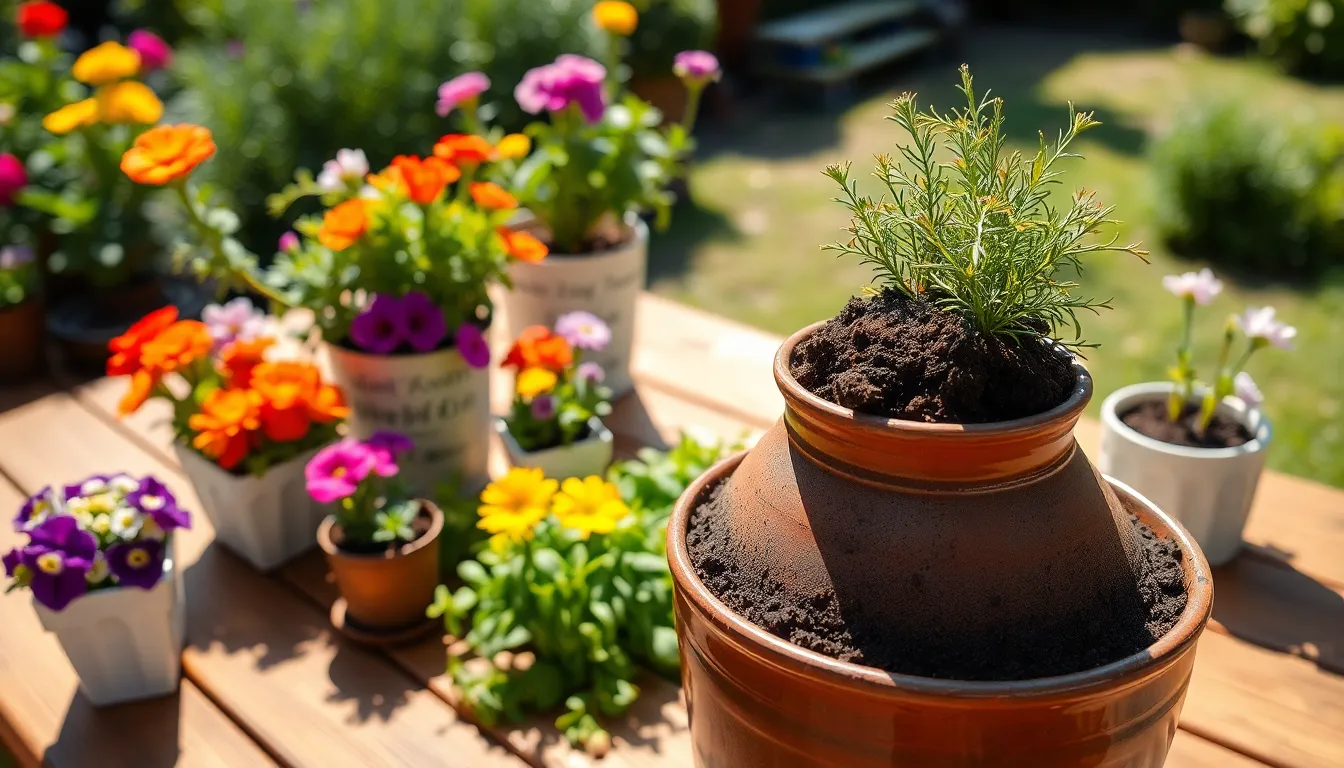
Choosing the right soil mix is crucial for successful container gardening. Quality soil nourishes plants and supports growth, ensuring they thrive in limited spaces.
Importance of Quality Soil
Quality soil provides essential nutrients and maintains moisture levels. Healthy soil structure improves air circulation and drainage, both vital for root development. Utilizing nutrient-rich mixtures leads to robust plants that resist pests and diseases. Without quality soil, plants may suffer from stunted growth or poor yields. Therefore, opting for a specialized potting mix tailored for container gardening increases the chances of a flourishing garden.
Suggested Soil Amendments
Incorporating amendments can enhance soil quality. Organic matter, such as compost, boosts nutrient content and improves moisture retention. Perlite increases aeration and drainage in the soil, preventing compaction. Vermiculite holds moisture and supplies essential minerals, supporting healthy growth. Additionally, adding slow-release fertilizers provides ongoing nutrients throughout the growing season. Combining these amendments leads to a balanced growing environment for container plants.
Plant Selection for Container Gardens
Choosing the right plants is crucial for successful container gardens. Factors like size, sun exposure, and growth habits significantly affect plant performance.
Best Vegetables for Containers
Tomatoes thrive in containers, providing robust yields with minimal space. Pepper varieties also adapt well and offer vibrant colors. Lettuce grows quickly and offers continuous harvests, ensuring fresh greens. Radishes mature rapidly, making them ideal for quick gardening results. Carrots grow effectively in deep containers, while bush beans utilize vertical space efficiently. These options deliver fresh produce while maximizing limited space.
Ideal Flowers and Herbs
Petunias display vibrant colors, adding beauty to container gardens. Marigolds attract pollinators and repel pests, promoting a healthy garden environment. Basil and parsley serve as popular herbs, enhancing culinary experiences. Lavender thrives in sunny conditions, providing fragrance and attracting beneficial insects. Geraniums not only elevate aesthetics but also deter harmful pests. These selections cater to both visual appeal and practical use, enriching container gardening experiences.
Care and Maintenance of Container Gardens
Effective care and maintenance elevate container gardening success. Focus on watering practices and fertilization strategies to promote healthy growth.
Watering Techniques
Watering requires attention to container conditions and plant needs. Containers can dry out quickly, especially in warm months. Frequent checks for soil moisture are essential. Use a moisture meter or dig into the soil up to an inch to assess dampness. Water deeply when soil feels dry to ensure roots absorb sufficient moisture. It’s best to water in the morning to reduce evaporation. Avoid water pooling at the base, as this can lead to root rot. Employ drip irrigation systems or self-watering containers for ease. Incorporating these techniques leads to thriving plants.
Fertilization Tips
Fertilization enriches container soil and enhances plant growth. Use slow-release fertilizers that offer nutrients over time. Incorporating organic options like compost or worm castings can boost soil health. Dilute liquid fertilizers according to package directions for optimal results. Regular feeding every 4-6 weeks during the growing season promotes vigorous growth. Check for signs of nutrient deficiency, such as yellowing leaves, and adjust fertilization accordingly. Tailoring fertilization efforts based on plant types supports plant health and productivity.
Common Problems and Solutions
Container gardens often face specific challenges that gardeners must address promptly. Pests can invade plants, damaging foliage and fruits.
Dealing with Pests
To combat pests, regular inspection of plants proves effective. Neem oil works well as a natural pesticide, reducing aphid and spider mite populations. Introducing beneficial insects such as ladybugs supports pest control efforts, as they consume harmful pests. Additionally, using insecticidal soap can help eliminate soft-bodied insects without harming the plants.
Preventing Diseases
Plant diseases can threaten the health of container gardens, impacting growth and yields. Ensuring adequate air circulation around plants prevents fungal infections, so spacing pots appropriately is vital. Rotating crops within containers reduces the risk of soil-borne diseases significantly. Choosing disease-resistant plant varieties also contributes to healthier gardens, providing a robust defense against common issues. Regularly removing dead foliage and properly watering can further prevent disease spread, keeping plants thriving.
Conclusion
Container gardening offers a rewarding way to cultivate plants in limited spaces. By following the right techniques and selecting suitable plants, anyone can enjoy the beauty and bounty of a container garden.
Prioritizing proper drainage and soil quality sets the foundation for healthy growth. Regular maintenance and pest management ensure plants remain vibrant and productive throughout the season.
With a little creativity and attention to detail, container gardening can transform any small area into a lush oasis, providing fresh produce and stunning visuals. Embracing these tips can lead to a flourishing garden that brings joy and satisfaction.